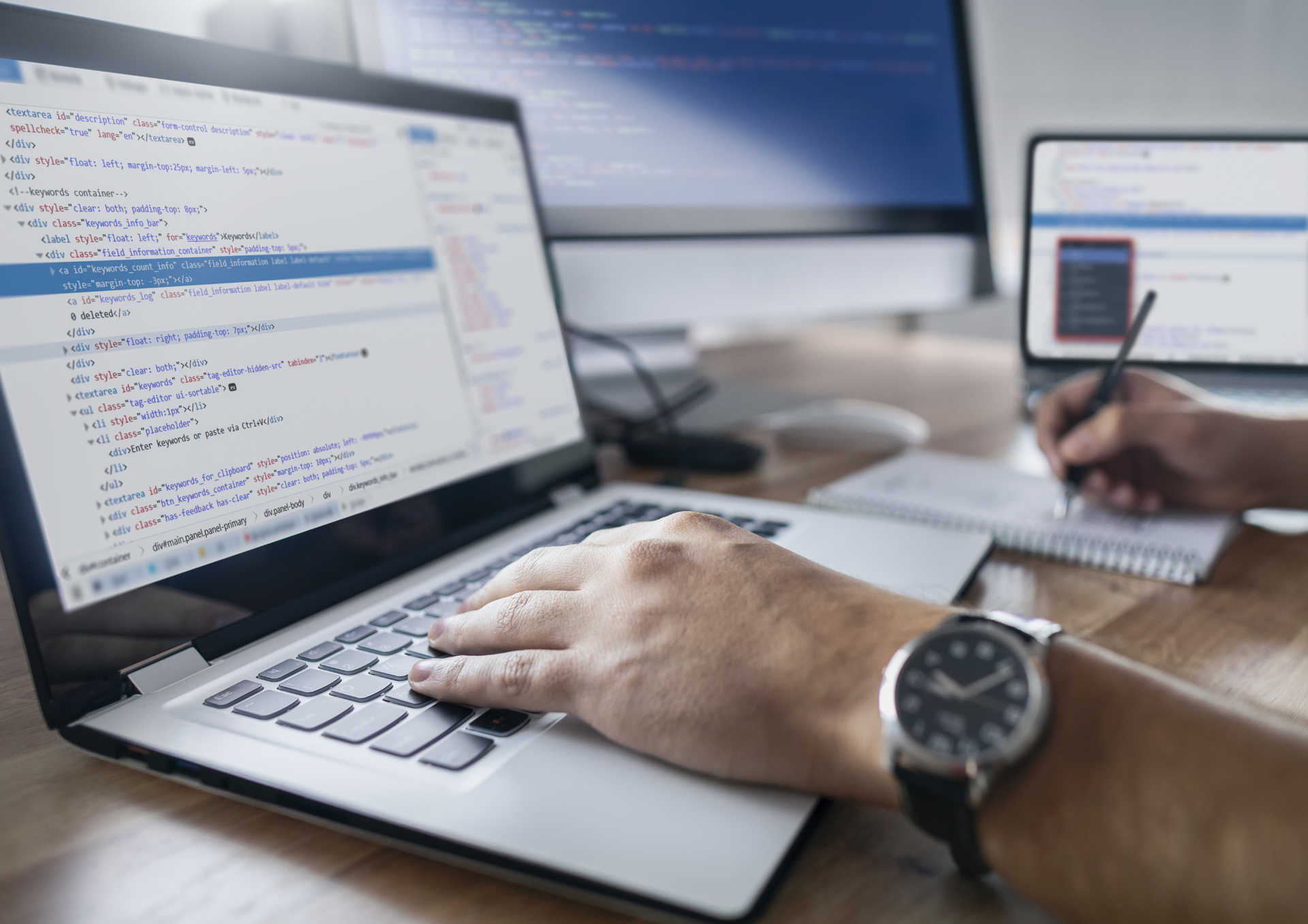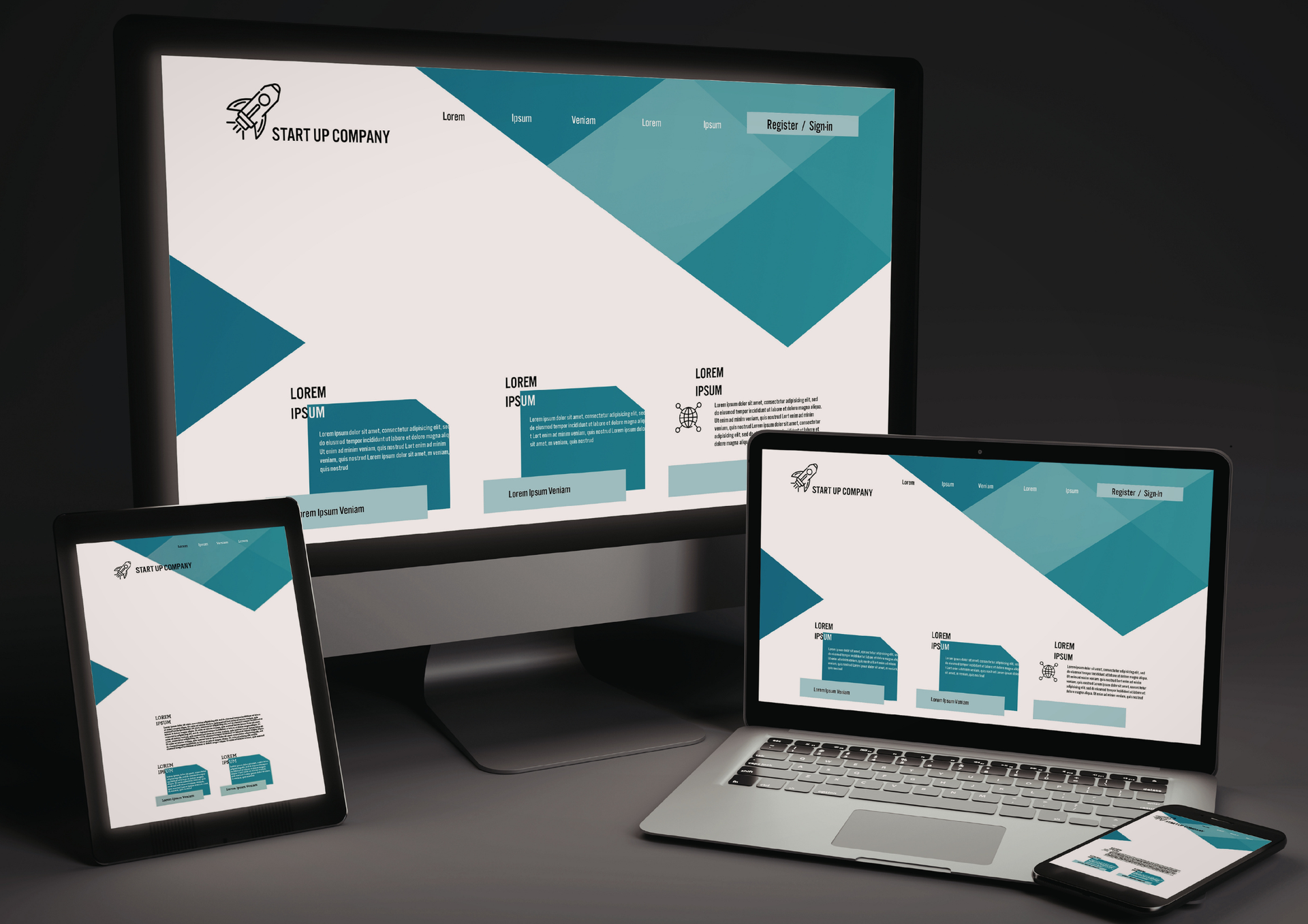
A business website should support day-to-day operations rather than create additional work. For homeware brands, health and wellness businesses, and retailers in Newport, keeping product information, services, contact details, images, and other content accurate can become increasingly demanding as the organisation grows.
Experienced website developers consider ongoing management from the earliest stages of a project. Instead of creating a platform that requires technical knowledge for every small change, they can establish clear structures and practical tools that allow authorised teams to handle routine updates with greater confidence.
Good management is about more than making individual pages editable. It involves organising content logically, choosing suitable technology, reducing unnecessary complexity, and creating a foundation that can accommodate future changes. These considerations can save time while helping the website remain consistent and dependable.
Creating a Clear and Logical Content Structure
Good website management starts with organisation. Pages, products, services, articles, and other information need a clear structure so administrators know where content belongs and how it should be updated.
A well-planned content hierarchy separates different types of information instead of treating every page as an entirely independent element. For example, a homeware retailer might need separate structures for product categories, buying guides, delivery information, and customer support. A wellness business could require services, practitioner information, appointments, and educational resources.
Templates can make this structure easier to maintain. Rather than recreating layouts every time a new page is required, businesses can use established formats containing the appropriate headings, image areas, content fields, and calls to action. This helps preserve visual consistency while making routine additions more straightforward.
A professional web developer can also determine which elements should be editable and which should remain controlled by the underlying system. Giving administrators appropriate flexibility without exposing unnecessary technical settings reduces the chance of accidental layout or functionality problems.
Logical organisation becomes particularly valuable as the site grows. Teams can spend less time determining how a page should be assembled and more time keeping the information useful, accurate, and relevant to customers.
Making Everyday Content Updates Simpler
Businesses should not need specialist coding knowledge every time a telephone number changes, a new service launches, or a product description needs updating. An appropriately configured content management system can make common tasks much more manageable.
Effective website development considers who will maintain the site after launch and what those people will realistically need to change. The administrative experience can then be organised around practical business requirements rather than exposing users to unnecessary technical complexity.
Simple management can include:
- Clearly labelled fields that show administrators where text, images, links, and other information should be entered.
- Reusable page components that allow approved sections to be added without rebuilding layouts from scratch.
- Centralised information that can be updated once and displayed consistently in several relevant areas.
- Defined image requirements that help teams upload appropriately sized and formatted media.
- Preview functionality that allows changes to be checked before they are published.
- User permissions that give team members access appropriate to their responsibilities.
- Consistent editing processes that reduce uncertainty when different employees manage content.
These features are especially useful for growing retail and wellness businesses where several people may contribute to the site. A predictable editing environment can reduce mistakes while making training and handovers more straightforward.
Reducing Dependence on Manual and Repetitive Tasks
A website becomes harder to manage when the same information must be changed manually in numerous places. Repetitive administration increases workload and creates opportunities for inconsistencies.
Centralised content can solve many of these problems. If information such as opening hours, contact details, categories, or recurring content is stored appropriately, updates can be reflected wherever that information is used. This is more efficient than asking an administrator to find and edit every individual occurrence.
Automation can also support suitable processes. Forms might route enquiries to the appropriate destination, stock information may connect with another business system, or scheduled content could be prepared in advance. The appropriate level of automation depends on the organisation, and unnecessary complexity should be avoided.
Businesses searching for website developers near me may therefore want to consider ongoing administration as well as the initial appearance of the site. A platform that saves time every week can provide practical value that is easy to overlook during the initial planning stage.
Reducing manual work also supports consistency. When routine processes are handled systematically, there is less opportunity for outdated information or overlooked updates to create a confusing customer experience.
Planning for Expansion Without Making Management Complicated
Business websites rarely remain unchanged indefinitely. New products, services, locations, team members, resources, integrations, or campaigns may need to be introduced as the organisation develops. Planning for this possibility makes future management considerably easier.
When building website for business requirements, scalability should therefore be considered alongside immediate priorities. A structure designed only around what exists today may become restrictive when the company needs to expand tomorrow.
A manageable approach to growth can include:
- Using flexible templates that accommodate additional pages and content without affecting the wider layout.
- Establishing sensible categories that can expand as product or service ranges increase.
- Creating navigation that can accommodate future sections without becoming unnecessarily crowded.
- Keeping reusable components consistent so new content follows established visual standards.
- Selecting technology that can support suitable integrations when operational requirements change.
- Documenting important processes so future administrators understand how the platform is organised.
- Avoiding unnecessary features that make routine maintenance more complicated than required.
Planning for growth does not mean predicting every future requirement. Instead, it means creating enough flexibility for the platform to evolve without forcing the business into repeated restructuring.
For businesses in Newport and elsewhere, this can help protect the original investment while making gradual digital expansion more practical.
Supporting Maintenance, Security, and Long-Term Reliability
Content management is only one part of running a business website. The underlying platform also requires attention to updates, performance, backups, integrations, and security.
A professionally organised system makes these responsibilities easier to understand. Core software, extensions, and integrations should have clear purposes rather than accumulating unnecessarily. Reducing technical clutter can make compatibility problems easier to identify and maintenance more predictable.
Backups are another important part of long-term management. A suitable backup process provides a recovery point if an update, configuration change, or other issue affects the site. Backups should form part of a wider maintenance approach rather than being treated as a substitute for careful administration.
Documentation can also provide lasting value. Basic guidance covering common updates, user access, important integrations, and maintenance responsibilities gives businesses a useful reference after launch. This becomes particularly valuable when staff responsibilities change.
Experienced website developers aim to create a platform that remains manageable beyond the initial project. By considering maintenance alongside content editing and scalability, they can help reduce unnecessary technical demands on internal teams.
An easy-to-manage business website is the result of thoughtful decisions made throughout planning and development. Clear content architecture, straightforward editing tools, reduced manual work, scalable structures, and organised maintenance all contribute to a platform that is easier to operate.
For homeware brands, health and wellness businesses, and retailers, these qualities become increasingly important as content and operational requirements expand. A manageable platform gives teams greater control over routine updates while reducing reliance on technical assistance for every minor change.
The objective is not to eliminate professional technical support entirely. Instead, it is to create an appropriate balance where businesses can confidently handle everyday content while specialist expertise remains available for more substantial changes and development work.
ETA Web Design Newport focuses on creating professional websites around the practical needs of businesses, including what happens after the initial launch. We consider content organisation, usability, scalability, and ongoing management so that the finished platform remains useful as requirements evolve.
Our approach is based on clear planning and practical solutions rather than unnecessary complexity. By considering both administrators and customers, we aim to create websites that are straightforward to maintain while providing a consistent and professional user experience.
Whether a Newport business needs a new digital presence or a more manageable platform for future growth, our website developers can provide a structured approach focused on long-term usability, flexibility, and dependable performance.
Check out our latest X update on how
website developers make business websites easier to manage, update, and maintain!