Running a successful online shop involves much more than displaying products and accepting payments. Customers expect a smooth shopping experience, clear product information, convenient payment options, and reliable access across different devices. Behind these expectations is a technical foundation that must support every stage of the purchasing journey.
For homeware brands, health and wellness businesses, and retailers, a website often serves as both a digital shopfront and an essential part of daily operations. It may need to manage stock, process orders, connect with delivery services, and provide customers with accurate information.
Website developers help businesses bring these requirements together by creating functional, dependable online shopping platforms. Their work extends beyond appearance to include performance, usability, technical integrations, and the flexibility needed to accommodate changing business requirements.
Building a Reliable Foundation for Online Shopping
Every online shop needs a dependable technical foundation. Even an attractive website can struggle to support a business if customers encounter slow pages, broken links, checkout errors, or difficulties accessing product information.
The structure of an e-commerce website determines how different components work together. Product pages, category listings, shopping baskets, payment systems, and customer accounts must operate consistently to provide a straightforward purchasing experience.
A professional web developer considers how these elements interact rather than treating each page as an isolated component. This approach helps ensure that customers can move between browsing, selecting products, and completing purchases without unnecessary complications.
For a homeware retailer, this might involve organising a large product catalogue with multiple categories, sizes, colours, and materials. A health and wellness business may need to present individual products alongside subscriptions, appointment options, or educational information.
The technical requirements can vary considerably, but the underlying objective remains the same: customers should be able to find what they need and complete their intended actions without confusion.
Supporting Different Devices and Browsers
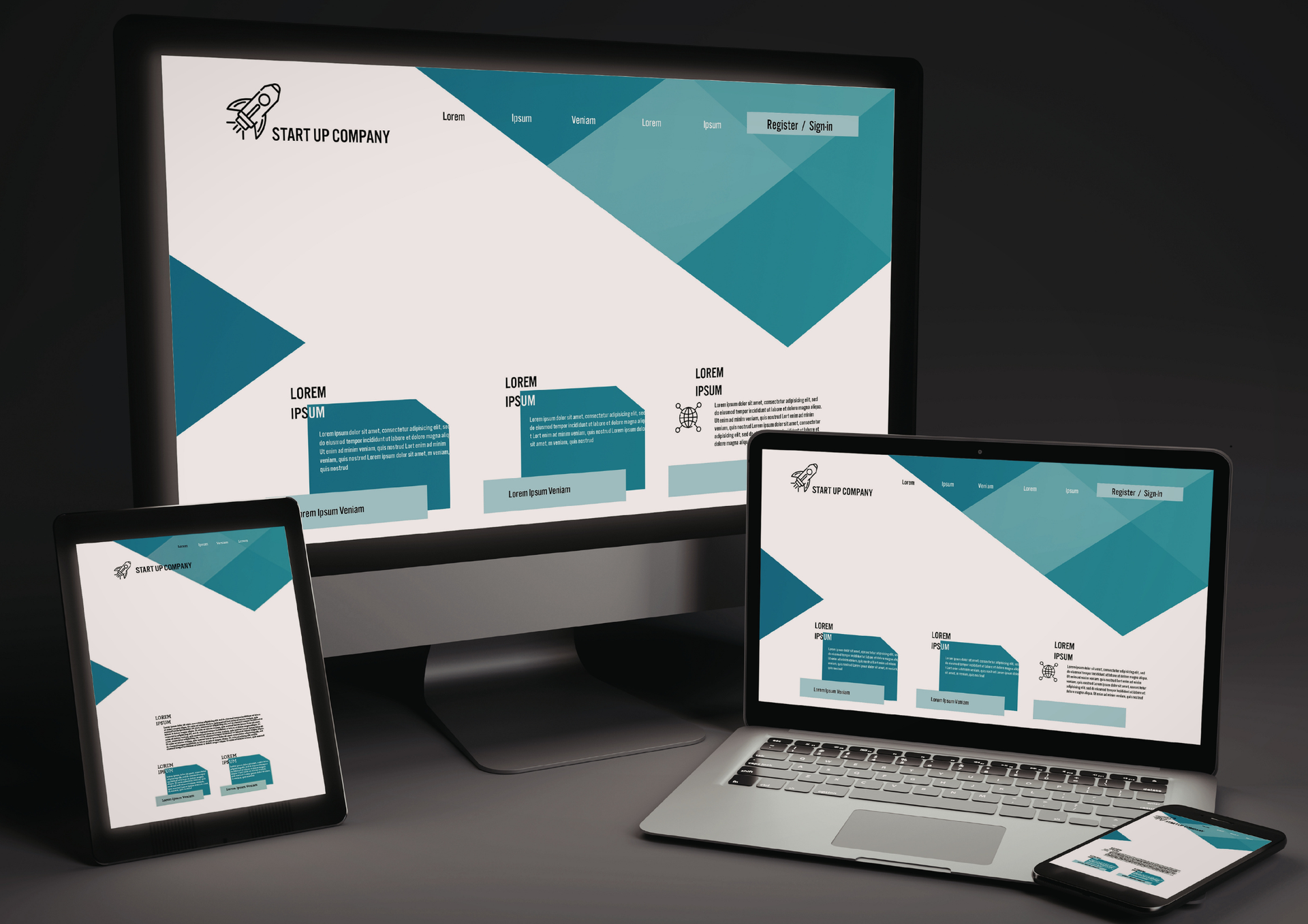
Modern customers may begin browsing on a mobile phone, compare products on a tablet, and complete their purchase using a desktop computer.
An online shop must therefore adapt to different screen sizes without compromising important functionality. Navigation menus, product images, selection options, and checkout forms should remain accessible and straightforward to use.
Responsive layouts are only part of this process. Interactive elements also need to function correctly across devices, while text, buttons, and forms should remain easy to read and operate. Developers can test the website across common browsers and screen sizes to identify issues that might otherwise interrupt the customer journey.
Catng a Maintainable Website Structure
Retailers frequently introduce new products, update prices, change promotional content, and reorganise categories. A well-structured website makes these everyday activities easier to complete without requiring extensive technical changes.
Clear organisation also supports future improvements. When the underlying platform has been planned carefully, businesses can introduce additional functionality without unnecessarily disrupting existing features.
This becomes particularly important as a small online shop develops into a larger operation with more products, customers, and administrative requirements.
Improving Website Performance and Customer Experience
Website performance influences how comfortably customers can browse an online shop. Slow-loading product pages, unresponsive buttons, and complicated navigation can interrupt the purchasing process.
Professional website development helps address these challenges by considering how the website performs under different conditions and how efficiently customers can complete common tasks.
A product catalogue containing hundreds of images, for example, may require careful image optimisation and efficient loading techniques. Interactive filters and search functions also need to respond promptly, particularly when customers are comparing several products. Performance improvements should be considered throughout the project rather than treated as a final adjustment before launch.
Several technical and usability considerations contribute to a more dependable shopping experience:
- Efficient page loading: Optimised images, appropriate caching, and carefully managed scripts help reduce unnecessary loading delays.
- Clear navigation: Logical categories, accessible menus, and useful search functions help customers locate products without excessive browsing.
- Responsive product pages: Product descriptions, photographs, variation selectors, and purchasing controls should remain practical across different devices.
- Straightforward checkout: Clear forms and an organised purchasing process help customers understand what information is required at each stage.
- Consistent functionality: Search tools, filters, shopping baskets, and account features should behave predictably throughout the website.
- Accessibility: Readable text, suitable contrast, keyboard navigation, and clearly labelled controls help make the shop usable for a wider range of customers.
These considerations are particularly relevant for retailers with extensive catalogues or products that require detailed information before purchase. A homeware business selling furniture may need to display dimensions, finishes, delivery details, and several product photographs. A wellness retailer may need to organise product ingredients, usage guidance, and relevant purchasing information. Presenting this content clearly requires a balance between visual design and technical performance.
Developers also need to consider how the website behaves when customer activity increases. Promotional campaigns, seasonal shopping periods, and new product launches can place additional demands on the platform. Planning for these situations helps businesses maintain a consistent shopping experience as demand changes.
Integrating Payments, Stock Management, and Business Systems
An online shop rarely operates independently from the rest of a business. Orders may need to connect with stock records, payment providers, delivery services, customer databases, and administrative software.
These connections can reduce repetitive work and help information move more efficiently between different systems. However, integrations require careful planning because each platform may store, process, and exchange information differently.
For example, a retailer operating both a physical shop and an online store may need stock quantities to remain consistent across both sales channels. Without a suitable connection, staff could face additional administrative work or customers might purchase products that are no longer available.
Developers can assess the available integration options and determine how information should move between the website and existing business tools.
Connecting Payment and Checkout Systems
Customers need to understand the total amount payable, select an appropriate payment method, and receive clear confirmation when their transaction is complete. The website must also respond appropriately when a payment is declined, interrupted, or left incomplete.
Integrating an established payment provider can help businesses manage transactions without building an entire payment-processing system themselves. Nevertheless, the connection still needs to be configured and tested correctly.
The checkout process should also account for delivery charges, promotional discounts, applicable taxes, and order confirmation requirements.
Managing Stock and Order Information
Stock management becomes increasingly important as product ranges expand. An online shop may need to account for product variations, low-stock notifications, discontinued items, pre-orders, and stock held at different locations. Where suitable systems are available, connecting inventory and order-management tools can help reduce manual updates.
Businesses searching for website developers near me may wish to discuss their existing operational processes before deciding which integrations are necessary. Understanding how orders are currently received, processed, and fulfilled helps establish what the new website needs to support.
The objective is not necessarily to connect every available business tool. It is to identify the systems that will improve accuracy, reduce unnecessary administration, and make daily operations more manageable.
Supporting Delivery and Customer Communication
Delivery arrangements can also influence website functionality. Some businesses offer standard shipping, while others require collection options, location-based delivery charges, or specialist arrangements for large products.
A homeware retailer selling bulky furniture may have different delivery requirements from a wellness business dispatching smaller packaged products.
The website should communicate these options clearly and calculate relevant charges accurately.
Order confirmation emails, dispatch notifications, and customer account updates can also help customers understand what happens after making a purchase.
When these processes are integrated effectively, the website becomes a useful operational tool rather than simply a place where transactions begin.
Supporting Security, Stability, and Ongoing Maintenance
Customers provide information when purchasing products online, including contact details, delivery addresses, and payment-related information. Businesses therefore need to consider how their websites handle data and how access to administrative functions is managed.
Security is not achieved through a single feature. It requires appropriate configuration, reliable software, sensible access controls, and ongoing attention as technologies change.
Website developers contribute to this process by implementing technical safeguards and ensuring that important website functions are maintained appropriately.
For businesses managing customer accounts, payment integrations, and order records, the following considerations are particularly important:
- Secure connections: HTTPS helps protect information transmitted between visitors and the website.
- Access management: Administrative permissions should reflect staff responsibilities, limiting unnecessary access to sensitive functions.
- Software updates: Website platforms, extensions, and integrations require appropriate maintenance to address compatibility issues and known vulnerabilities.
- Reliable backups: Regular backups and a documented restoration process help businesses prepare for technical problems or accidental changes.
- Form validation: Customer forms should handle information appropriately and provide clear feedback when required details are missing or incorrect.
- Integration monitoring: Connections with payment, stock, and delivery systems should be checked to identify failures that could affect orders.
- Technical testing: Updates and new features should be tested before deployment to reduce the risk of disrupting existing functionality.
An online shop may work correctly at launch but develop problems later because of software changes, outdated extensions, or modifications to external services.
For this reason, businesses should consider ongoing technical support when planning their websites. Maintenance can include monitoring performance, checking important purchasing functions, reviewing compatibility, and resolving issues before they cause significant disruption.
A dependable maintenance approach also supports business continuity. When technical problems arise, clear documentation and an organised development structure can make them easier to investigate.
Creating Scalable Online Shops That Support Business Growth
An online shop should reflect a business's current requirements while allowing for realistic future development. A retailer launching with a limited product range may eventually introduce additional categories, expand delivery coverage, or begin selling through multiple channels.
Similarly, a health and wellness business might introduce subscription products, appointment booking, educational resources, or customer membership features. These changes can create new technical requirements.
A professional website development company can help businesses consider which capabilities are needed immediately and which may be introduced later. This planning helps avoid unnecessary complexity during the initial project while reducing the likelihood of major structural changes as the business expands.
Planning for Larger Product Catalogues
Additional categories, product variations, promotional collections, and customer reviews can increase the amount of information the website needs to organise.
Developers can establish a suitable content structure that allows businesses to add products consistently while maintaining clear navigation.
This is especially useful for homeware and retail businesses where customers may compare products according to dimensions, materials, colours, prices, or other characteristics. A flexible catalogue structure makes it easier to introduce new product ranges without repeatedly redesigning the shopping experience.
Introducing New Features When They Are Needed
A smaller retailer may initially require straightforward product pages and a reliable checkout. As the business develops, it may become appropriate to introduce customer accounts, trade pricing, advanced filtering, or additional integrations.
Planning for these possibilities helps developers make informed decisions about the website's underlying structure. However, businesses should avoid investing in complicated functionality without a clear operational purpose.
Each proposed feature should be considered in relation to customer needs, administrative requirements, and the resources available to maintain it.
Maintaining Consistency During Expansion
As new pages, categories, and services are introduced, customers should continue to encounter familiar navigation, consistent layouts, and predictable interactions. Reusable components and clear design standards can help maintain this consistency.
The same principle applies to administrative processes. Staff should be able to manage new products and content without navigating an increasingly complicated system.
By considering scalability from the outset, businesses can create online shops that accommodate change while preserving a dependable experience for customers and employees.
ETA Web Design Newport takes a practical approach to creating online shops that reflect the individual requirements of each business. We begin by understanding your products, customers, operational processes, and long-term objectives before identifying the functionality your website needs.
Our website developers focus on creating clear, dependable solutions that balance usability, technical performance, and future flexibility. Whether your business requires a straightforward online shop or a more specialised platform with additional features and integrations, we aim to keep the development process aligned with your priorities.
We recognise that homeware brands, health and wellness businesses, and retailers may have different requirements for product presentation, purchasing journeys, and day-to-day administration. Our approach considers these differences while maintaining a focus on practical functionality and a consistent customer experience.
Check out our latest X update exploring the essential role of
website developers in creating successful modern online shops!