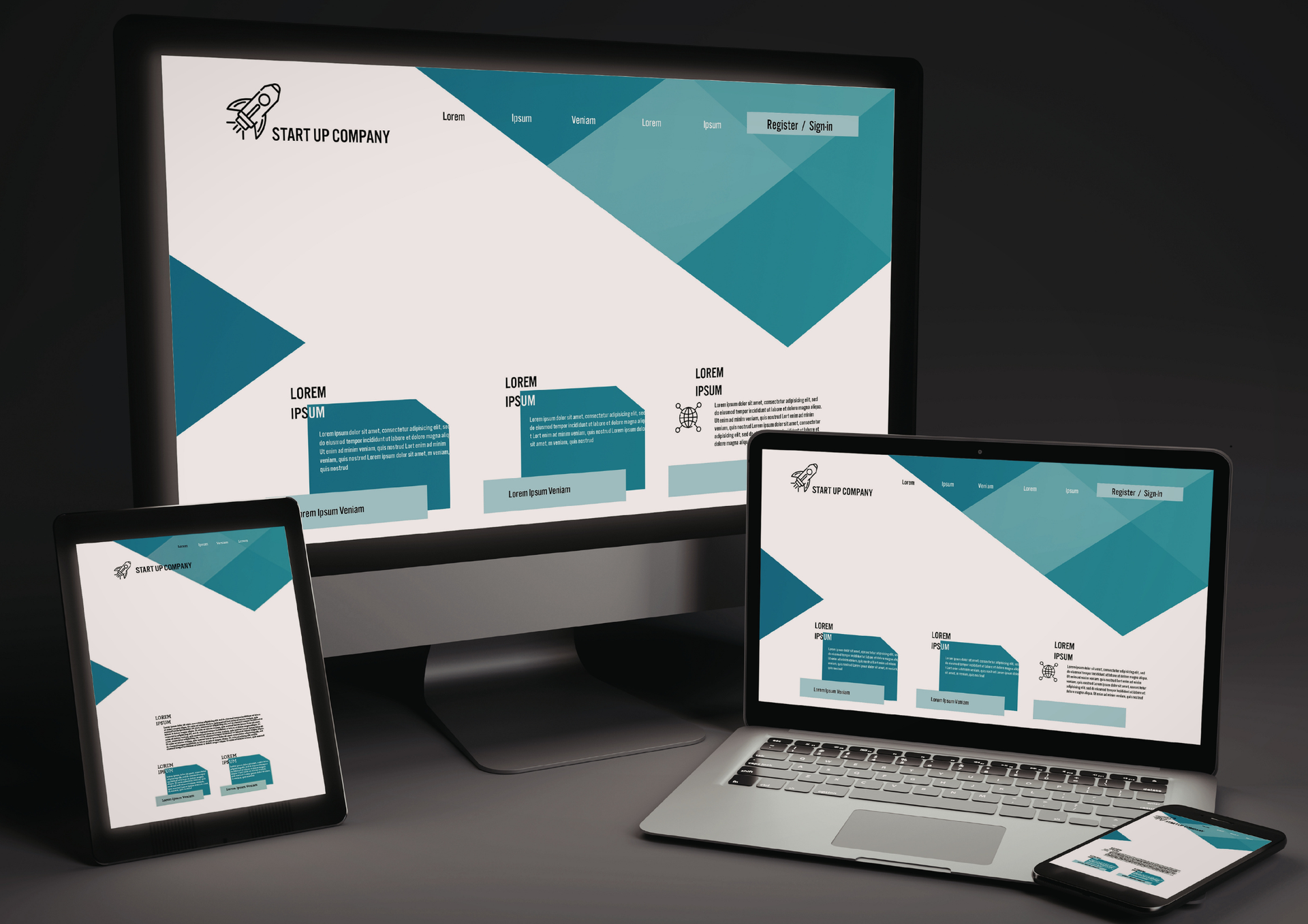
Planning a new website involves more than choosing colours, layouts, and images. The functionality required behind the finished pages can have a considerable influence on the overall investment. A straightforward informational site will generally require less planning and technical work than a platform containing online payments, customer accounts, booking systems, product catalogues, or bespoke integrations.
For businesses in Newport, understanding the cost of web design means looking carefully at what the website actually needs to achieve. Homeware brands may require extensive product displays, health and wellness businesses may need appointment functionality, while retailers could require a complete online purchasing journey. Each feature introduces different levels of planning, development, testing, and maintenance.
Rather than choosing features simply because they are available, businesses benefit from identifying which functions genuinely contribute to their objectives. This creates a clearer project scope and helps ensure investment is directed towards functionality that provides practical long-term value.
This article examines five areas where website features can influence project costs and explains why careful planning is essential before development begins.
Functionality and Project Complexity
Every additional function introduces work beyond the visible appearance of a website. A simple brochure-style site might contain service information, an about page, contact details, and a basic enquiry form. A more advanced platform may need customer accounts, interactive tools, automated processes, or connections with external systems.
Complex features usually involve additional planning before development starts. Developers need to understand how users will interact with each function, what information needs to be processed, and how different elements of the website will communicate with one another.
The website design cost can therefore vary considerably depending on whether standard functionality is sufficient or bespoke features need to be created. Two websites with a similar number of pages may require very different levels of work if one includes advanced functionality and the other primarily presents information.
Complexity should always have a clear purpose. Adding functionality that visitors are unlikely to use can increase both initial development requirements and future maintenance. Businesses should consider whether each proposed feature solves a genuine customer or operational need.
A useful planning process separates essential functionality from features that could be introduced later. This approach can make the initial project more manageable while leaving a clear path for future expansion.
E-Commerce Features and Customer Journeys
Online selling introduces a range of requirements that are not normally present on standard business websites. Product management, baskets, checkout processes, payment functionality, delivery options, and order notifications all need to work together reliably.
The requirements can become more detailed as the product range expands. A homeware retailer, for example, may need product variations for size, material, or finish. Other retailers might require stock information, discount functionality, product filtering, or different delivery rules.
Several elements can affect the scope of an e-commerce project:
- The number and complexity of products being sold.
- Product variations such as sizes, colours, materials, or packages.
- Payment and checkout requirements.
- Delivery, collection, and fulfilment options.
- Customer account functionality and order histories.
- Product search, filtering, and category structures.
- Discount codes, promotions, or customer-specific pricing.
- Connections with stock, accounting, or order-management systems.
These requirements can influence website development costs because each element must be configured, integrated, and tested properly. A reliable buying journey requires more than placing products onto pages; every stage from discovery to checkout needs to work consistently.
Businesses can control unnecessary complexity by prioritising the features customers genuinely need. Additional functionality can then be introduced as demand grows rather than making the initial build unnecessarily complicated.

Booking Systems, Memberships, and Custom Integrations
Service-based organisations often require functionality that goes beyond standard contact forms. Health and wellness businesses, for example, may want customers to select services, choose appointment times, submit relevant details, and receive automated confirmations.
Booking functionality can range from relatively simple calendars to more sophisticated systems involving multiple services, staff members, locations, availability rules, and notifications. The more variables a system needs to manage, the more detailed the planning and testing process becomes.
Membership areas create another layer of complexity. Businesses may need secure login areas where different users can access specific resources, manage account details, view orders, or interact with restricted content. These features require careful consideration of user permissions, data management, and navigation.
Third-party integrations can also affect the cost to build a website. Connecting a site with customer relationship management software, email platforms, payment providers, stock systems, or other business tools requires technical configuration and testing to ensure information moves between systems correctly.
Not every integration needs to be bespoke. Existing tools can sometimes provide an efficient solution, provided they meet the organisation's requirements. The important step is evaluating compatibility before development begins rather than attempting to connect unsuitable systems later.
A clear understanding of existing business processes can make these decisions easier. Instead of adding technology for its own sake, features should simplify operations or improve the customer experience.
Content, Design Features, and User Experience
Functionality is not limited to complex technical systems. The way content is displayed and experienced can also affect project scope. Custom layouts, interactive sections, animation, extensive product galleries, calculators, and advanced filtering can require additional design and development work.
Visual features should support usability rather than simply making pages appear more elaborate. Businesses need to consider how each element contributes to communication, navigation, and decision-making.
When assessing different website design prices, it is useful to understand exactly what level of customisation is included. A template-based project and a fully tailored platform may look comparable in a simple quotation, but the amount of planning and flexibility involved can be very different.
User experience should remain central to these decisions. Features that look impressive but make navigation more difficult may offer little practical value. Clear menus, readable content, sensible page hierarchy, and straightforward calls to action are often more valuable than unnecessary visual effects.
For businesses serving customers across Newport and other locations, mobile usability is particularly important. Visitors may discover the business while travelling, shopping, or searching for a nearby service, meaning important features need to function properly on smaller screens.
Thoughtful feature selection creates a balance between visual quality and practical performance. This allows the finished website to remain professional without becoming unnecessarily complicated.
Scalability, Performance, and Long-Term Requirements
A website should be planned for more than its launch date. Businesses change, product ranges expand, services evolve, and new technology becomes relevant. Building with reasonable future requirements in mind can make expansion significantly easier.
Scalability does not mean adding every possible feature from the beginning. Instead, it means creating a structure that can accommodate sensible growth without requiring extensive redevelopment.
When considering future requirements, businesses should think about:
- Whether additional services or products are likely to be introduced.
- How content volumes may increase over time.
- Whether more locations or service areas could be added.
- If new integrations may eventually become necessary.
- How increased visitor numbers could affect performance.
- Whether different staff members will need content management access.
- How updates and technical maintenance will be handled.
- Which features may become priorities during later growth stages.
Performance also needs to be considered as functionality increases. Large images, scripts, third-party tools, and interactive elements can place additional demands on a website. Careful implementation helps prevent new features from unnecessarily slowing down the user experience.
The cost of web design should therefore be considered alongside long-term flexibility. A cheaper initial solution can become expensive if the platform cannot accommodate reasonable changes and requires substantial redevelopment whenever the business grows.
Planning for scalability provides a more balanced approach. Businesses can invest in what they need today while maintaining the flexibility to introduce additional functionality when there is a clear reason to do so.
Website features can have a substantial influence on the amount of planning, design, development, and testing involved in a project. A straightforward informational site has very different requirements from an online shop, booking platform, membership area, or website connected to several external business systems.
Businesses should therefore compare project scope rather than price alone. Understanding which features are essential, which could be introduced later, and how the platform might need to grow provides a much clearer basis for making investment decisions.
For homeware brands, health and wellness businesses, retailers, and entrepreneurs in Newport, careful feature planning can prevent unnecessary complexity while creating a website capable of supporting genuine business objectives. The right approach is not necessarily to include more functionality, but to select functionality that provides useful, sustainable value.
ETA Web Design Newport takes a structured approach to planning websites around genuine business requirements. We consider the purpose of each feature, how customers will interact with it, and whether it provides enough value to justify the additional complexity.
Rather than filling projects with unnecessary functionality, we focus on creating professional and scalable solutions that can evolve alongside the business. Clear communication throughout the process helps clients understand what is being included and why it matters.
Our approach to cost of web design considerations focuses on balancing immediate requirements with long-term flexibility. Whether a business needs a straightforward professional presence or more advanced functionality, we aim to create a practical foundation that supports usability, performance, and future growth.
Check out our latest X update on how website features can affect the
Cost of Web Design services!