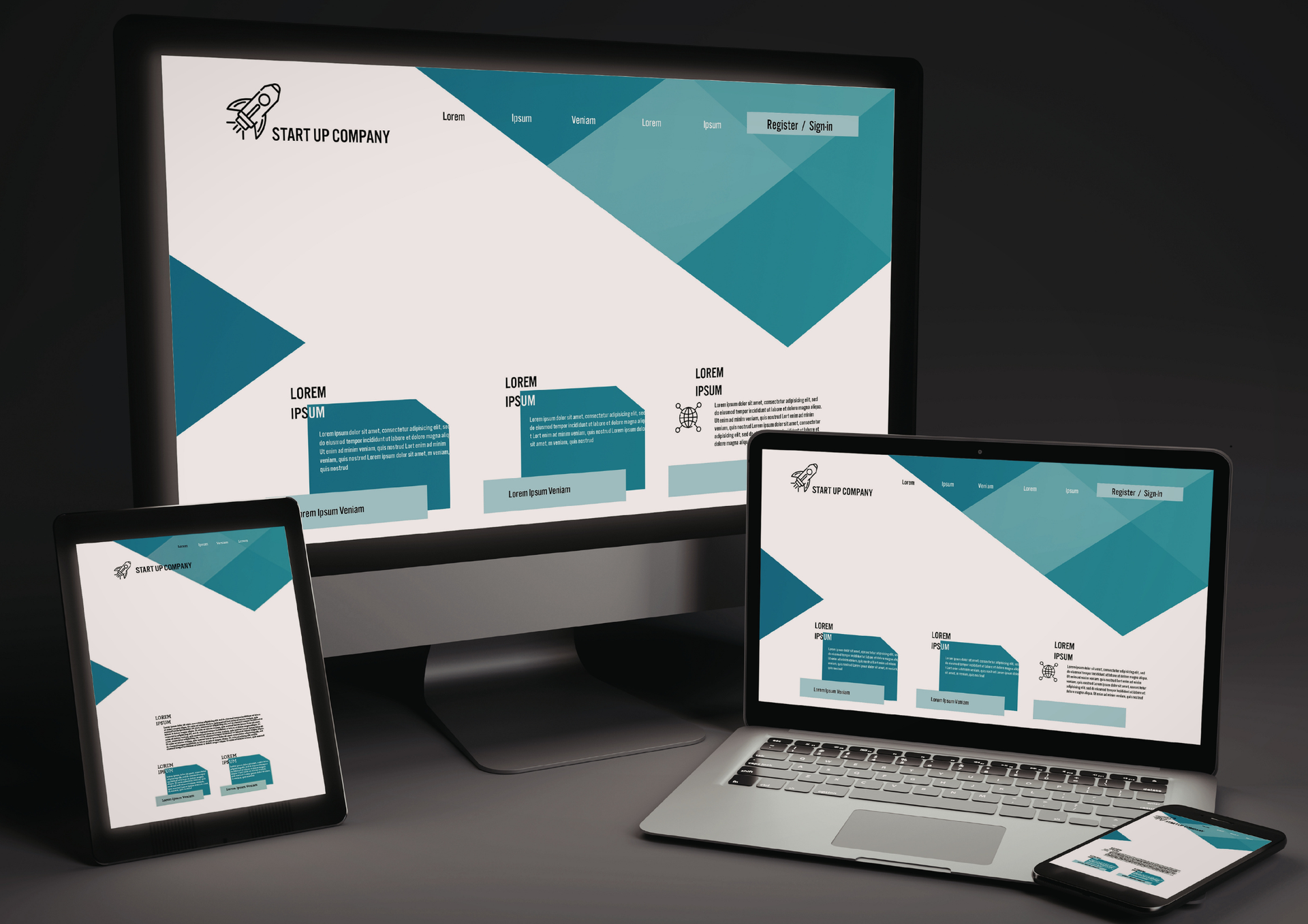
Modern customers access websites from a wide range of devices. Some browse on desktop computers during work hours, while others use tablets or smartphones when travelling, shopping, or researching services.
For businesses in Newport, ensuring websites function consistently across all devices is now an essential part of delivering a professional online experience. Effective web design helps businesses create websites that remain accessible, clear, and easy to use regardless of screen size or device type.
Without careful planning, layouts can become difficult to navigate, content may display incorrectly, and users may leave before taking action. For homeware brands, health and wellness businesses, and retail companies, multi-device accessibility directly affects engagement, trust, and conversions.
This article outlines five principles for multi-device website performance.
Designing Responsive Layouts for Different Screens
Responsive design helps websites remain clear, functional, and easy to use across desktop, tablet, and mobile devices.
Layout and Structure
- Responsive layouts automatically adapt to different screen sizes.
- Pages remain readable and functional across desktop, tablet, and mobile devices.
- Users should not need to zoom or rotate screens to access content.
Visual Consistency
- Flexible grids help maintain balanced page structure across resolutions.
- Scalable images adjust smoothly without disrupting layouts.
- Adaptable typography improves readability on smaller and larger screens.
User Experience
- Clear responsive design reduces excessive scrolling and navigation issues.
- Visitors can access information quickly regardless of device type.
- Smooth interaction supports stronger engagement and usability.
Technical Planning
- Thoughtful website development integrates responsive functionality from the start.
- Early planning prevents the need for later corrective adjustments.
- Strong technical foundations support long-term multi-device performance.
Prioritising Mobile Usability
Mobile browsing now represents a significant proportion of website traffic. Because of this, mobile usability should be treated as a core requirement rather than an optional extra. Buttons must be easy to tap, forms simple to complete, and navigation straightforward on smaller screens.
Reducing unnecessary clutter improves readability and encourages smoother interaction. Many businesses searching for website designer near me are often responding to poor mobile experiences that negatively affect engagement and conversions.
Maintaining Consistency Across Devices
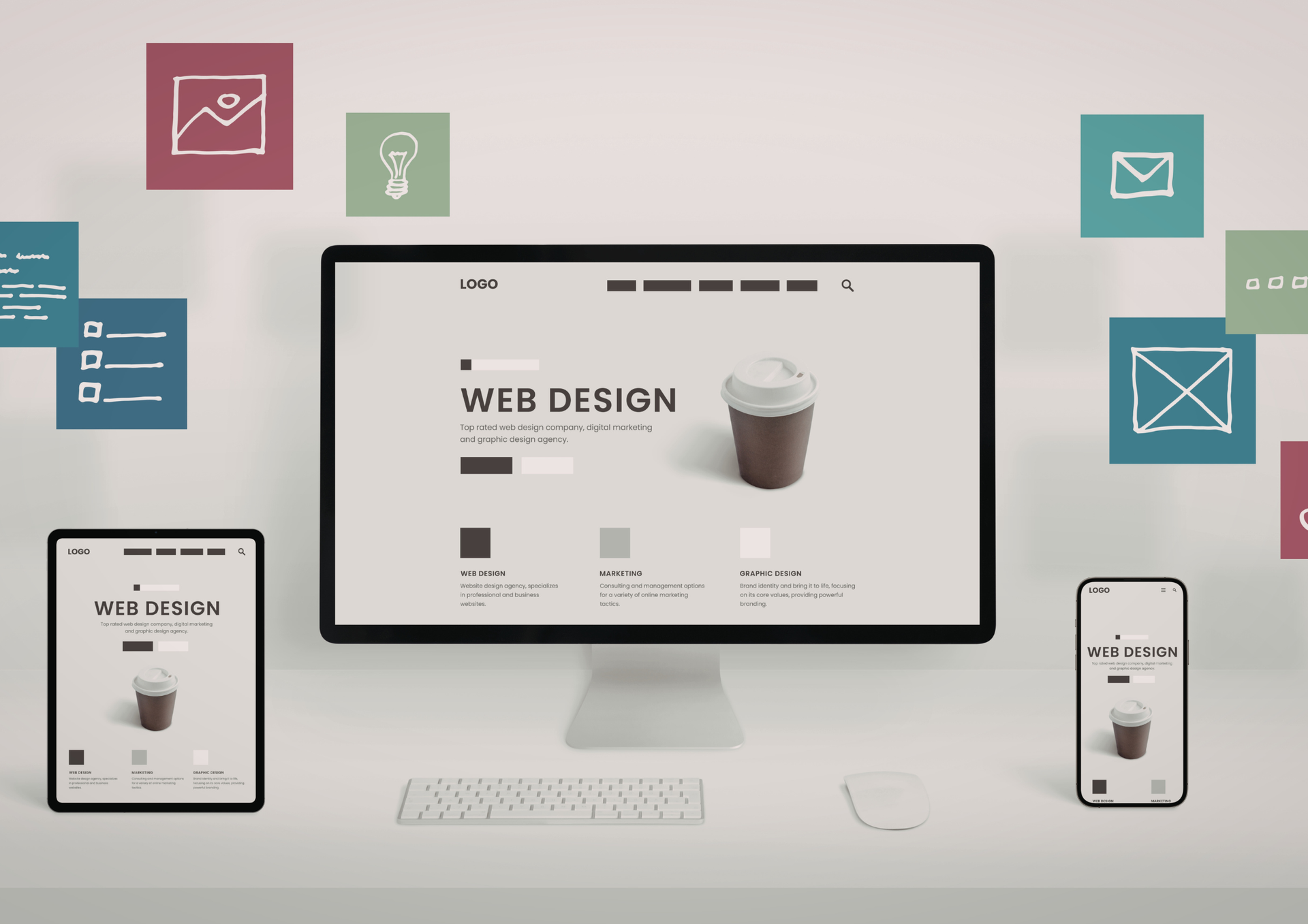
Consistency helps users feel confident when moving between devices. Layouts, branding, navigation patterns, and functionality should remain recognisable whether the website is accessed on mobile, tablet, or desktop.
This familiarity strengthens trust and reduces confusion. Users should never feel as though they are interacting with entirely different websites depending on the device they use. Strong ui ux design supports this consistency by creating predictable interactions and structured user journeys across all screen sizes.
Balancing Performance With Functionality
Websites must remain fast and responsive regardless of device capability or internet speed. Heavy media files, poorly optimised scripts, or unnecessary animations can create performance issues, particularly on mobile networks.
Efficient coding, compressed assets, and streamlined layouts help improve loading times while preserving functionality. Faster websites create smoother experiences and reduce abandonment rates.
Some businesses experiment with best website builders because they simplify setup, but performance optimisation often requires greater flexibility and technical refinement.
Planning for Future Device Trends
Websites must remain adaptable as new devices, screen sizes, and browsing behaviours continue to emerge.
Evolving Device Usage
- Foldable screens and larger mobile displays are changing how users browse websites.
- Smart devices continue expanding the range of screen types businesses must support.
- Digital experiences must adapt to evolving browsing habits and expectations.
Scalable Website Structure
- Scalable structure helps websites remain functional as technology changes.
- Adaptable layouts support consistent usability across emerging devices.
- Flexible systems reduce disruption when updates or adjustments are required.
Long-Term Value
- Future-focused planning reduces the need for frequent redesigns.
- Adaptability helps protect long-term website value and performance.
- Strategic web design ensures websites continue performing reliably as device expectations evolve.
ETA Web Design Newport
specialises in creating scalable, user-focused websites designed for consistent performance across all devices. We understand how usability, responsiveness, and technical structure influence customer engagement and long-term business growth.
Our approach combines strategic planning with practical web design, ensuring every website remains adaptable, performance-focused, and easy to use. By prioritising clarity, accessibility, and scalability, we help businesses in Newport create websites that deliver reliable results across any location or sector.
New Update on X:
Web design support
for faster and more adaptable websites.